Radioactive Iodine (I-131) Therapy for Cats
Radioactive iodine (I-131) therapy is an advanced treatment option for cats diagnosed with hyperthyroidism. This therapy is designed to target abnormal thyroid tissue while preserving healthy surrounding tissues and is commonly used to help restore normal thyroid function.
I-131 therapy is performed at specially licensed veterinary facilities with radiation safety protocols and trained staff. It is often considered a long-term treatment option for feline hyperthyroidism.
What Is Feline Hyperthyroidism?
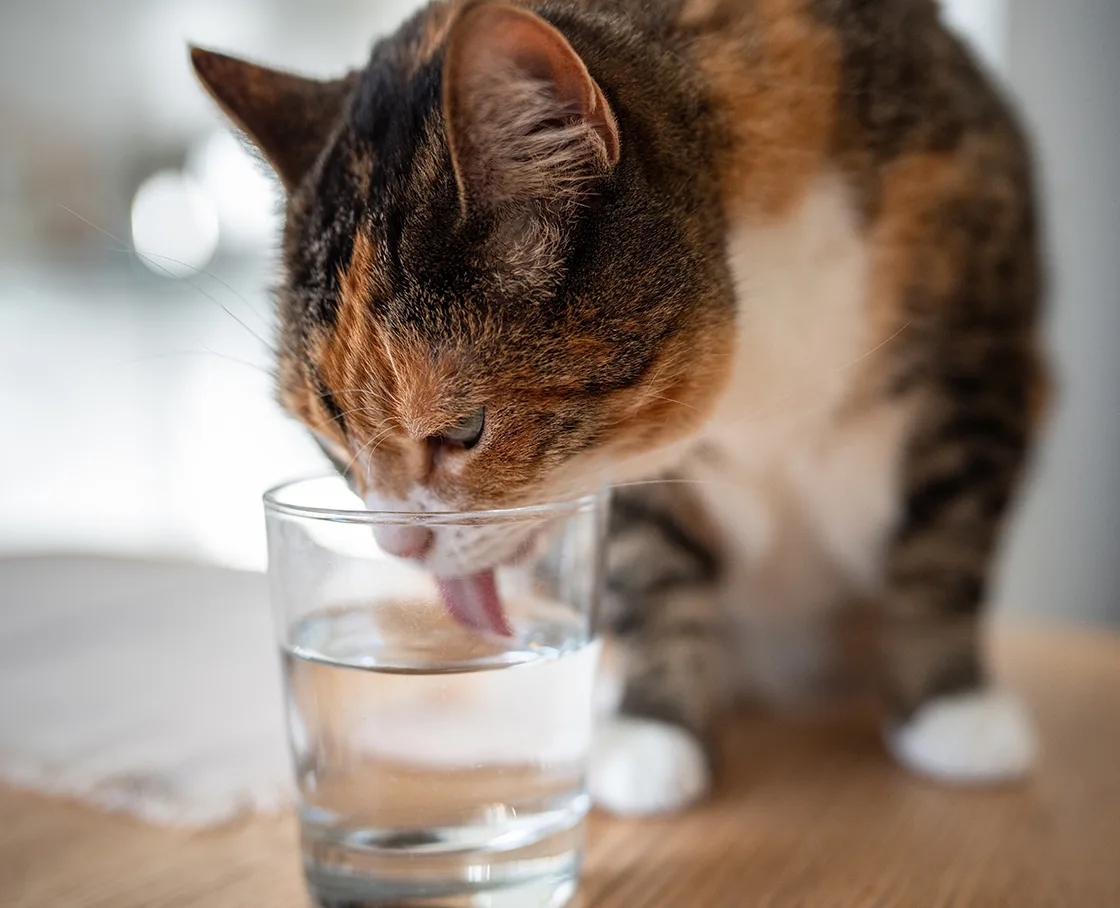
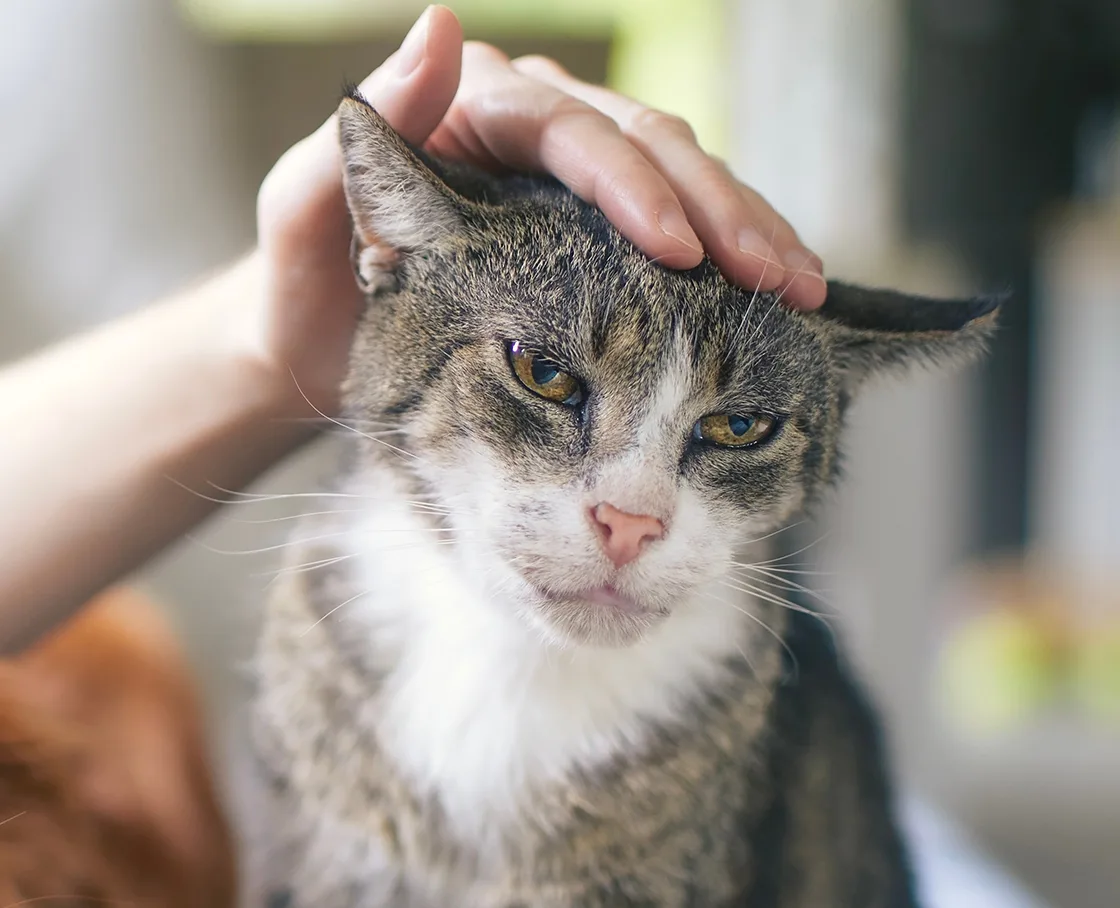
Hyperthyroidism is one of the most common hormonal disorders affecting older cats.
The condition occurs when the thyroid gland produces excessive amounts of thyroid hormone, which can affect multiple body systems and lead to symptoms such as:
Weight loss despite a good appetite
Increased thirst
Increased urination
Hyperactivity or restlessness
Vomiting
Diarrhea
Poor coat quality
Increased heart rate
Left untreated, hyperthyroidism can contribute to serious health complications over time.
How Does I-131 Therapy Work?
Radioactive iodine therapy uses a small dose of radioactive iodine administered by injection.
Because thyroid tissue naturally absorbs iodine, the treatment is concentrated within the abnormal thyroid cells. The radioactive iodine helps destroy overactive thyroid tissue while minimizing effects on surrounding healthy tissues.
The goal of treatment is to restore normal thyroid hormone levels and improve your cat's overall health.
Benefits of I-131 Therapy
Potential benefits of radioactive iodine therapy include:
Treatment directed specifically at abnormal thyroid tissue
No daily medication administration
No surgical procedure required
No general anesthesia required
Long-term management of hyperthyroidism in many cats
Improved quality of life following successful treatment
Your veterinarian can discuss whether I-131 therapy may be appropriate for your cat's individual condition.
What to Expect During Treatment
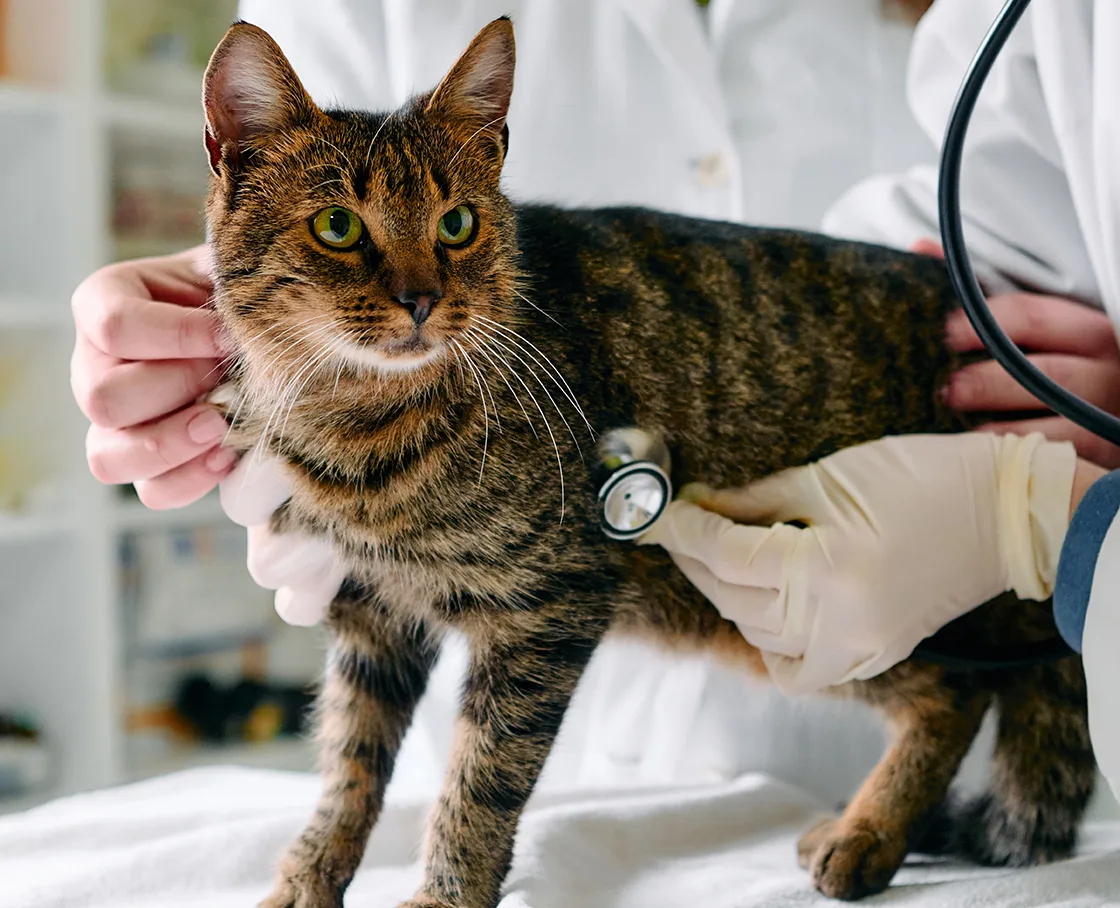
Prior to treatment, your cat will undergo an evaluation to determine whether radioactive iodine therapy is appropriate.
This evaluation may include:
Physical examination
Blood testing
Thyroid hormone testing
Blood pressure assessment
Additional diagnostic testing as needed
Following treatment, cats are required to remain hospitalized for a period of time while radiation levels decrease to approved release limits.
The length of hospitalization varies based on regulatory requirements and individual patient factors.
Aftercare & Monitoring
Most cats return home once radiation levels reach approved safety guidelines. After discharge, pet owners will receive instructions regarding:
Home handling precautions
Litter box management
Follow-up monitoring
Repeat laboratory testing
These precautions are temporary and help ensure the safety of family members and other pets.
Is I-131 Therapy Right for My Cat?
Not every cat with hyperthyroidism is a candidate for radioactive iodine therapy.
Factors that may influence treatment recommendations include:
Age and overall health
Kidney function
Severity of thyroid disease
Previous treatment history
Ability to comply with post-treatment safety guidelines
Your veterinarian can help determine whether I-131 therapy is an appropriate option for your cat.
Frequently Asked Questions
What is radioactive iodine therapy?
Radioactive iodine (I-131) therapy is a treatment used to target and destroy abnormal thyroid tissue in cats with hyperthyroidism.
Is I-131 therapy considered a cure?
Many cats experience long-term resolution of hyperthyroidism following treatment. Your veterinarian can discuss expected outcomes based on your cat's individual case.
Will my cat need anesthesia?
In most cases, radioactive iodine therapy does not require general anesthesia.
How long will my cat need to stay in the hospital?
Hospitalization requirements vary based on regulatory guidelines, facility protocols, and your cat's individual treatment plan.
Is radioactive iodine therapy safe?
I-131 therapy has been used in veterinary medicine for many years and is performed under strict licensing, safety, and radiation-handling regulations.
Will my cat need follow-up care?
Yes. Follow-up examinations and laboratory testing are important to monitor thyroid function and overall health after treatment.
Book an Appointment at Barton Heights Veterinary Hospital
New pets are always welcome at Barton Heights Veterinary Hospital. Our friendly veterinary staff looks forward to providing our neighbors in the area and surrounding communities with the veterinary care they need.